How to Choose High-Quality Canned Fish is a common question for consumers who value convenience, long shelf life, and nutritional benefits. As the number of canned fish products and brands continues to grow, identifying truly high-quality options has become increasingly challenging. This guide from cannedfish.shop helps simplify that process by breaking down the essential factors that define quality canned fish—from ingredient transparency and processing methods to packaging safety, nutrition labels, and brand reliability—so you can make informed choices with confidence.
1. Ingredient Transparency: The Foundation of Quality
When learning how to choose high-quality canned fish, one of the most reliable evaluation methods is carefully reviewing the ingredient list. Ingredient transparency is a core indicator of canned fish quality, as reputable manufacturers clearly disclose what goes into their products.
High-quality canned fish products are typically made with minimal, clearly identified ingredients, allowing consumers to understand exactly what they are eating and assess product integrity with confidence.
What High-Quality Products Usually Contain
Well-made canned fish generally includes:
-
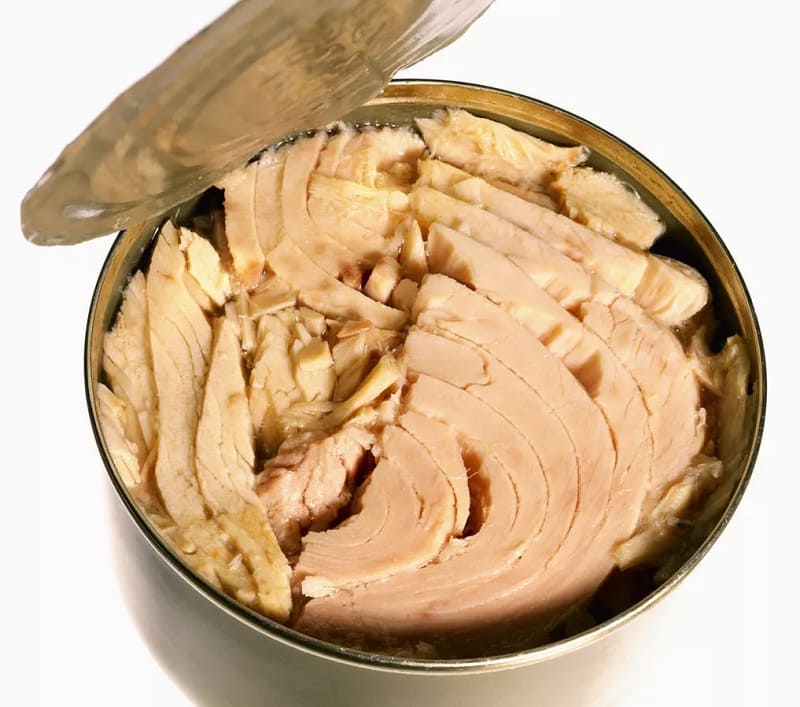
Clearly identified fish species, such as “skipjack tuna” or “Atlantic sardines”, rather than vague terms like “fish”
-
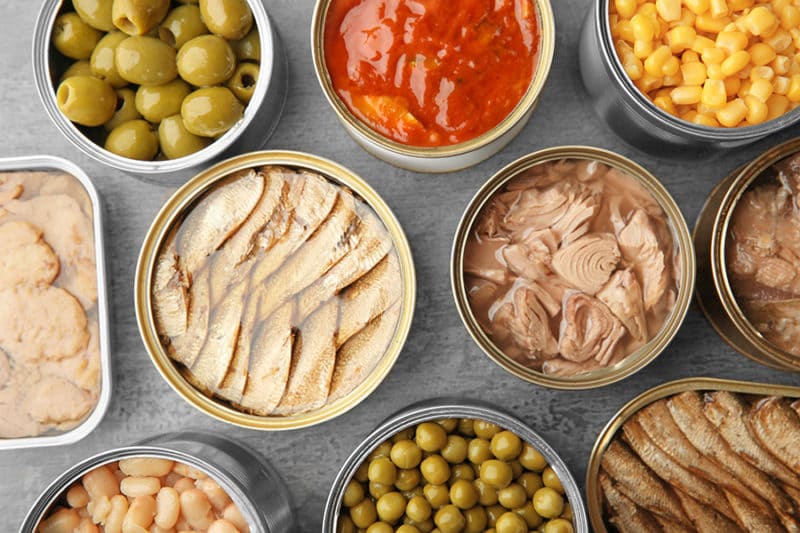
Water, olive oil, sunflower oil, or natural tomato sauce used as the packing medium
-
Salt in moderate amounts, primarily for preservation and flavor balance
Brands that prioritize quality rely on the natural flavor and texture of the fish itself. In high-quality canned fish, fewer unnecessary ingredients mean the product stays closer to its original nutritional profile and natural taste.
Ingredients to Be Cautious About
As part of understanding how to choose quality canned fish, consumers should be cautious when products contain:
-
Artificial preservatives
-
Artificial coloring agents
-
Flavor enhancers or synthetic additives
Although canned fish is typically preserved through heat sterilization—eliminating the need for chemical preservatives—lower-quality products may still rely on additives to compensate for inferior raw materials or inconsistent processing. These ingredients do not improve nutritional value and often indicate reduced overall canned fish quality.
2. Choosing the Right Fish Species
Not all fish species offer the same nutritional benefits or safety considerations. Understanding the type of fish used in canned products is an important step in selecting high-quality canned fish.
Common Fish Used in High-Quality Canned Products
High-quality canned fish products commonly feature:
-
Tuna – A popular option due to its high protein content and versatility in meals
-
Sardines – Naturally rich in omega-3 fatty acids, calcium, and vitamin D
-
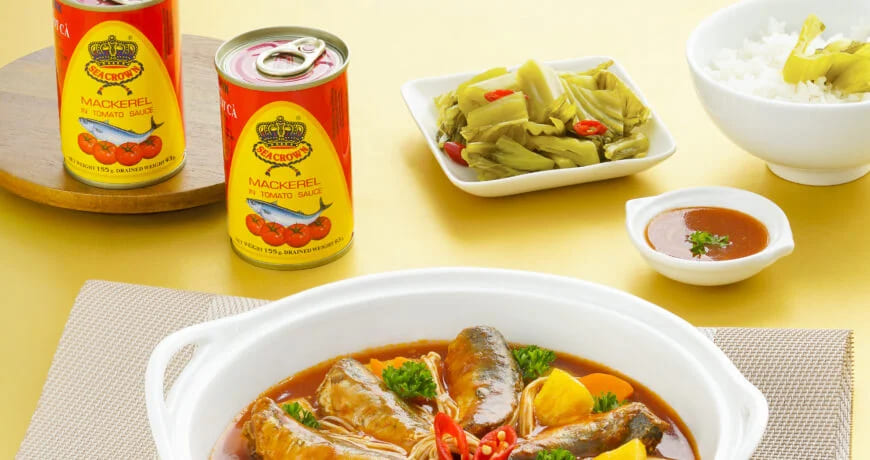
Mackerel – A flavorful fish known for its healthy fat profile
-
Salmon – Valued for omega-3 fatty acids, vitamin B12, and overall nutritional density
Mercury and Consumption Considerations
Smaller fish such as sardines and mackerel are often considered better choices for regular consumption. Because they are lower on the food chain, they typically contain lower mercury levels than larger predatory fish like certain tuna species. This makes them a safer option for individuals who eat canned fish frequently, including families and health-conscious consumers.
3. The Importance of Packing Medium: Oil, Water, or Sauce
When understanding how to choose high-quality canned fish, the packing medium is an important factor that influences both nutritional value and overall taste. While the fish itself remains the primary ingredient, the liquid used for packing can significantly affect calorie content, fat intake, and sodium levels—making it a key consideration when selecting quality canned fish.
Common Packing Options:
- Water: Fish packed in water is generally lower in calories and fat, making it a suitable choice for individuals following low-fat or calorie-controlled diets. However, water-packed canned fish often has a milder flavor and slightly firmer texture compared to oil-packed varieties.
- Olive Oil: Olive oil adds healthy monounsaturated fats and enhances the natural flavor of the fish. When choosing high-quality canned fish, products packed in olive oil—especially extra virgin olive oil—are often preferred by consumers seeking both superior taste and nutritional benefits.
- Sunflower or Vegetable Oil: These oils are commonly used and acceptable in many canned fish products, but they typically offer fewer nutritional advantages than olive oil. The quality and refinement level of vegetable oils can vary significantly between brands, making label review important when learning how to choose quality canned fish.
- Tomato Sauce: Tomato-based sauces add flavor and moisture but may contain added sugar, salt, or thickeners. Consumers aiming to select high-quality canned fish should check nutrition labels carefully, as sauce-based products can vary widely in sodium and calorie content.
For health-conscious consumers, reviewing nutrition labels is essential when deciding how to choose high-quality canned fish, as calorie, fat, and sodium levels can differ greatly depending on the packing medium used.
4. Can Condition and Packaging Safety
The condition of the can itself provides important clues about product safety and handling. Even when the fish inside is of good quality, damaged packaging can compromise safety and increase the risk of contamination.
Consumers should avoid canned fish if the can:
-
Appears swollen or unusually tight
-
Has severe dents, sharp creases, or structural damage
-
Shows signs of rust, particularly along the seams
-
Has leaks or moisture around the lid
Swelling is often a warning sign of internal gas buildup caused by bacterial activity. For this reason, cans that are bulging or damaged should never be opened or consumed. High-quality canned fish is consistently packaged in secure, well-sealed cans that remain intact throughout storage and transport.
5. Shelf Life Information and Label Reliability
While canned fish is intended for extended storage, clear and accurate labeling remains a key indicator of product reliability. Reputable manufacturers ensure that essential information is easy for consumers to locate and understand.
High-quality canned fish products typically include:
-
A clearly printed production date
-
A visible expiration or “best before” date
-
Clear storage and handling instructions
Labels should be readable and firmly attached to the can. Smudged printing, missing dates, or unclear information may indicate poor quality control or inadequate storage practices within the supply chain.
6. Processing Methods and Food Safety Standards
The way canned fish is processed plays a decisive role in both safety and overall quality. Unlike fresh or frozen seafood, canned fish relies on controlled industrial processes to ensure it remains safe for consumption over a long period of time.
Most high-quality canned fish products are preserved through heat sterilization, a method that uses high temperatures to eliminate harmful microorganisms. This process allows the fish to be safely stored without the need for chemical preservatives when done correctly.
Consumers can often identify well-processed canned fish by looking for:
-
Statements indicating heat sterilization or thermal processing
-
Claims such as “no preservatives added”
-
References to food safety or quality standards on the label
Reliable processing ensures that the fish maintains its structure, flavor, and nutritional value while meeting essential food safety requirements. Poor processing, on the other hand, may lead to inconsistent texture, off-flavors, or reduced nutritional quality.
7. Evaluating Nutritional Value
Nutritional content is one of the main reasons consumers choose canned fish as a regular food option. High-quality canned fish should offer meaningful health benefits rather than simply serving as a convenient protein source.
When comparing products, consumers should pay close attention to:
-
Protein content, which supports muscle maintenance and overall health
-
Omega-3 fatty acids, known for their benefits to heart and brain function
-
Sodium levels, which can vary significantly between products
While canned fish is naturally nutritious, some products contain excessive sodium due to added salt or sauces. For regular consumption, lower-sodium options are generally preferable, especially for individuals managing blood pressure or following specific dietary guidelines.
High-quality canned fish strikes a balance between nutritional richness and responsible formulation, allowing consumers to enjoy both convenience and long-term health benefits.
8. Sodium Levels and Additives to Watch For
While canned fish is naturally nutritious, sodium content can vary significantly between products. Salt is commonly used to enhance flavor and support preservation, but excessive sodium intake may reduce the overall health value of canned fish, especially for regular consumption.
When reviewing nutrition labels, consumers should:
-
Compare sodium levels between similar products
-
Be cautious of fish packed in sauces, which often contain added salt
-
Look for options labeled “low sodium” or “no added salt” when available
In addition to sodium, some lower-quality products may include unnecessary additives such as thickeners or flavor enhancers. These ingredients do not improve nutritional value and are often used to compensate for inferior raw materials or processing.
High-quality canned fish prioritizes the natural flavor of the fish and uses minimal additives, allowing consumers to better control their daily sodium intake.
9. Brand Transparency and Product Traceability
Brand transparency is an important but often overlooked indicator of canned fish quality. Trustworthy brands tend to provide clear, accessible information about their products and production practices.
High-quality canned fish brands often share details such as:
-
The type and origin of the fish used
-
General information about sourcing or fishing practices
-
Processing locations or quality standards followed
Brands that communicate openly about their products demonstrate accountability and consistency. In contrast, vague labeling or a lack of product information may signal weaker quality control.
For consumers seeking reliable canned fish options, choosing brands that emphasize transparency and traceability can help build long-term confidence in product quality and safety.
10. Quality Indicators After Opening the Can
The final and most direct way to evaluate canned fish quality is by observing the product after opening the can. Even when labeling and packaging appear acceptable, the condition of the fish itself provides important confirmation of overall quality.
High-quality canned fish should:
-
Display a natural, consistent color appropriate to the fish species
-
Have a clean, mild aroma without sour or overly strong odors
-
Maintain a firm, intact texture rather than appearing mushy or broken
Fish that looks discolored, smells unpleasant, or feels excessively slimy may indicate spoilage or improper storage and should not be consumed. These sensory checks are especially important once the can has been opened, as canned fish should be eaten promptly or stored correctly according to food safety guidelines.
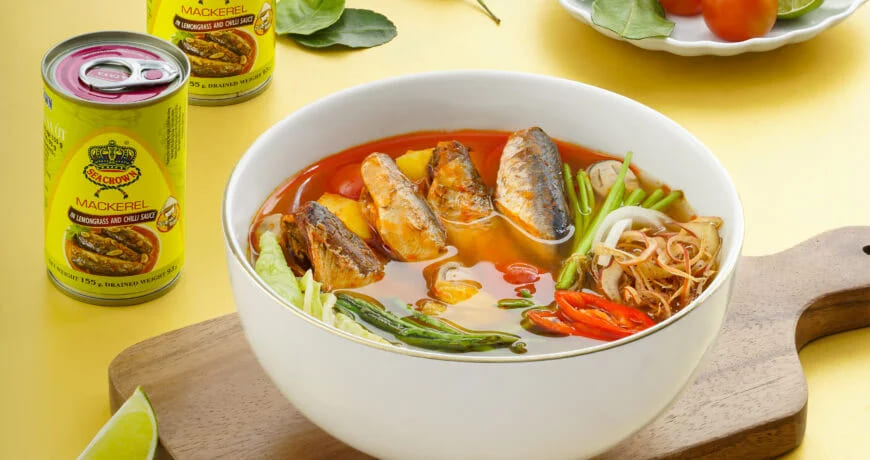
Selecting high-quality canned fish is a skill that develops with knowledge and attention to detail. By learning how to evaluate ingredients, fish species, packing methods, packaging condition, processing standards, and nutritional information, consumers can move beyond guesswork and make more confident choices. When chosen carefully, canned fish can be a safe, nutritious, and convenient food option that fits well into a balanced diet. Understanding what defines quality allows consumers to focus on products that deliver real value, safety, and consistency—rather than relying solely on brand names or price. At cannedfish.shop, our goal is to provide clear, practical information that helps readers better understand canned fish products and make informed decisions with confidence.